XLPE Cable Is Only as Good as Its Crosslinking
XLPE cable, crosslinked polyethylene insulation, peroxide cured XLPE, silane crosslinked cable, hot set test IEC 60811
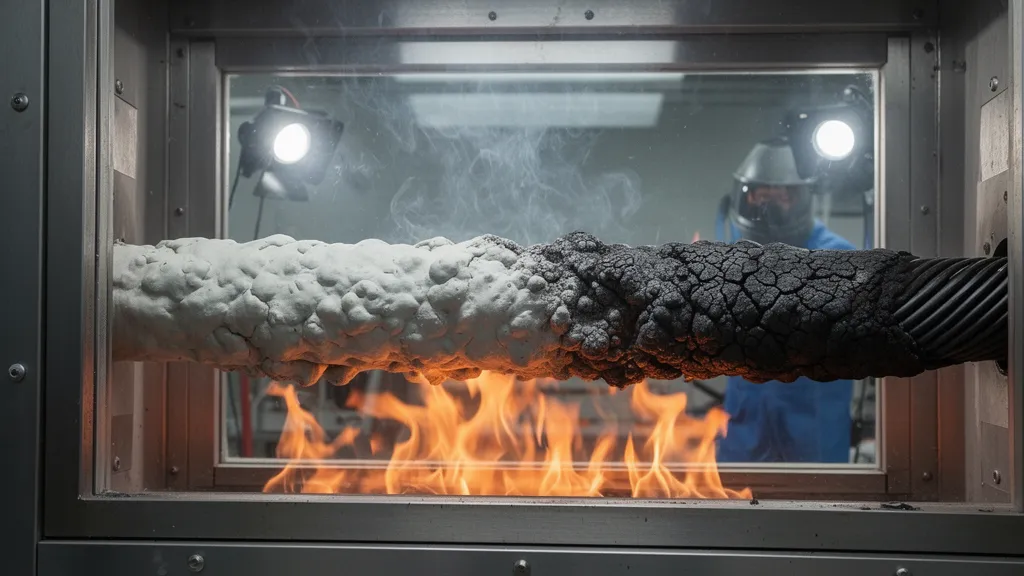
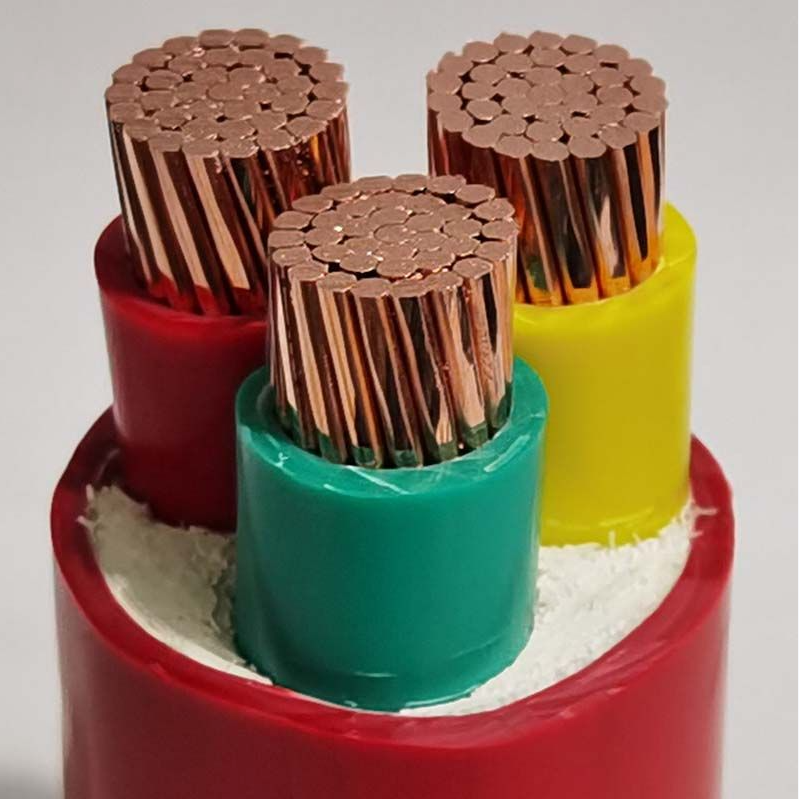
XLPE is polyethylene whose molecular chains have been tied into a three-dimensional network, and that network is the entire product story. Ordinary thermoplastic polyethylene creeps under mechanical load and softens near temperatures only modestly above normal service. Crosslinking lifts the continuous conductor rating to 90 °C and the short-circuit limit to 250 °C for five seconds per IEC 60724-1, and it leaves the insulation with a shape memory that makes it contract toward its extruded form when reheated. Three cure routes reach that network, and each imposes its own economics and quality signature. The peroxide route — dicumyl peroxide cured in a high-pressure continuous vulcanisation tube, steam or gas insulated — is the standard line for medium and high voltage extrusion. Its chemistry splits into methane and acetone that must diffuse out afterwards, which is why medium-voltage insulation carries a degassing requirement: trapped volatiles become gas pockets, and gas pockets become partial discharge sites. The silane route grafts the compound first, then completes hydrolysis and condensation in a hot water or steam bath; the line is cheaper and the product dominates low-voltage and building wire. Electron-beam crosslinking is physical rather than chemical — instant cure, no byproducts, but limited penetration, which caps insulation wall thickness on thin-wall heat-resistant wire. Buyers verify crosslinking without cutting the line open. The hot set test of IEC 60811 holds a sample at 0.2 MPa stress in a 200 °C oven for fifteen minutes: elongation under load stays near or below 100 per cent and permanent elongation after release below 25 per cent, while an under-cured thermoplastic flows far past both. Ask for lot-level hot set records with the degassing or weight-loss data, and on medium voltage the post-cure tan delta alongside them. Two cables can carry identical XLPE labels and different cure histories. The vulcanisation method is part of the specification, not a factory secret.
China XINYA Power Cables Co., Ltd Email: [email protected] Email: [email protected] whatsapp: +86 15289885778 Website: https://www.power-cables.com