Shielded Cable: Foil, Braid and the Grounding That Makes Either Work shielded cable, foil vs braid cable shield , transfer impedance cable screening, instrumentation cable shield grounding , 360 degree shield termination EMC ,
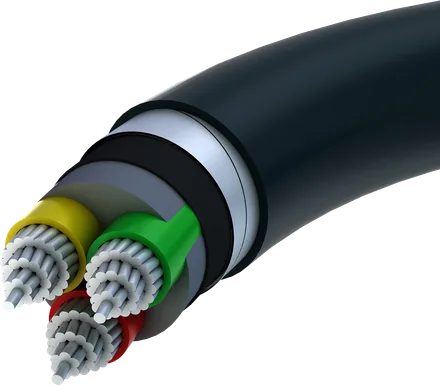
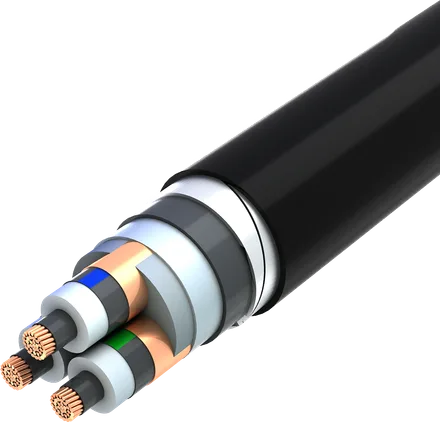
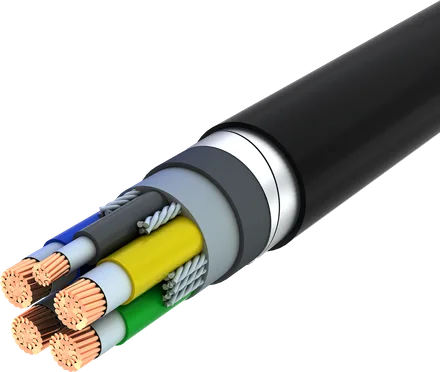
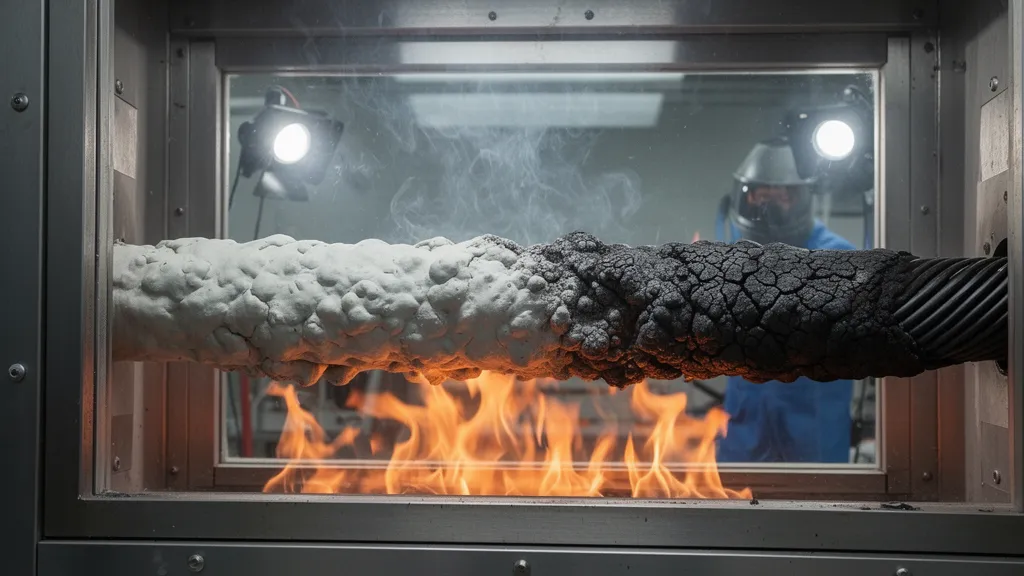
Shielded cable earns its place when noise, not load current, limits circuit performance. Two coupling mechanisms threaten a signal: capacitive electric-field pickup, which a simple grounded foil intercepts, and inductive magnetic-field pickup, which only an intact shield path and a twisted geometry survive. At power frequency, magnetic fields are the harder enemy — which is why instrument loops run on twisted pairs inside a shield rather than a shield alone. Construction decides which threat it answers. Aluminium-polyester foil wraps the assembly with full coverage and no apertures but tears under repeated flexing. Copper braid, typically 80 to 95 percent coverage, is robust, stays conductive under movement and terminates easily, though its apertures pass high-frequency fields. Spiral-wound wires suit extreme flexing; a drain wire beneath the foil gives the shielded cable's ground connection a real cross-section, because foil carries no mechanical strength of its own. Termination dominates the result. A pigtail leaves hundreds of nanohenries in series with the shield and stops working above a few tens of megahertz; a 360-degree clamp backshell is the only termination that preserves shield continuity. Grounding then follows the threat: single-point earthing avoids 50 Hz ground loops in analogue measurement, while bonding both ends drains high-frequency common-mode current to earth. Instrument standards reconcile the two by earthing the shield at one end, twisting the pairs, and keeping continuity through every junction box — a shield cut at a gland becomes a slot antenna. Medium-voltage power cable screens serve a different master: inner and outer semiconductive layers grade the electric field, and copper tape or screening wires must clear earth-fault current, with bonding or transposed cross-bonding set by induced sheath voltage rather than by noise. When specifying, state what the shield must defeat — coverage percentage, transfer impedance data and the earthing scheme belong on the drawing, not in a footnote.
China XINYA Power Cables Co., Ltd Email: [email protected] Email: [email protected] whatsapp: +86 15289885778 Website: https://www.power-cables.com