Rubber Sheathed Cable Earns Its Place Where PVC Turns Brittle rubber sheathed cable, H07RN-F cable, 60245 IEC 66 rubber cable, welding cable H01N2-D, EPR rubber cable
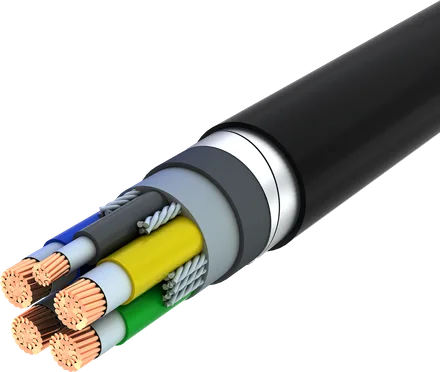
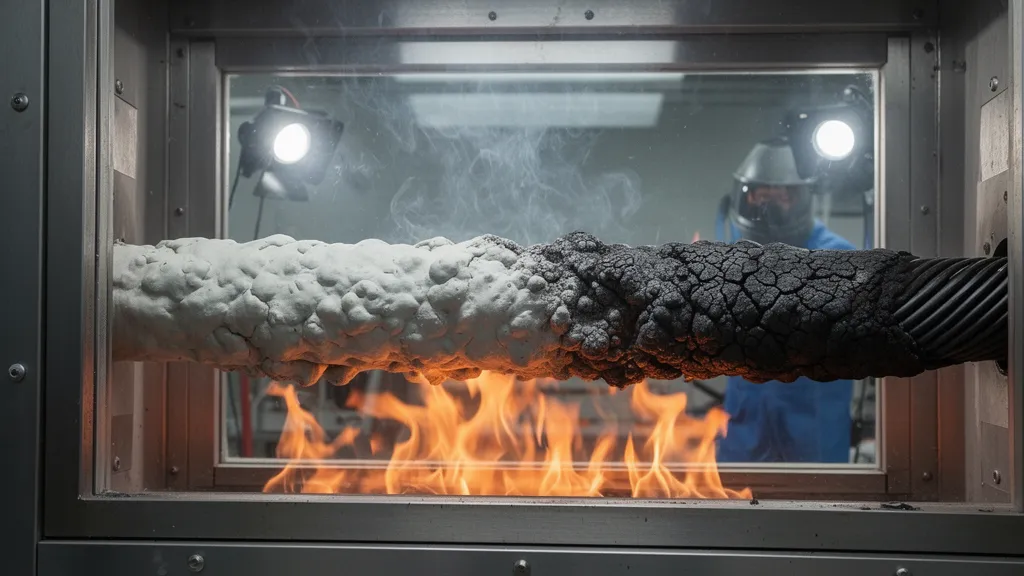
Most fixed wiring is PVC. A rubber sheathed cable enters the specification when the installation bends repeatedly, sits outdoors, contacts oil, or moves through cold — the four conditions under which thermoplastic sheaths fail early. The coding sits in two systems. IEC 60245 numbers rubber-insulated types by duty — 60245 IEC 66 is the heavy-duty flexible core many yards order under that number — while the harmonised EN 50525 letters carry the same products in European trade: H07RN-F, 450/750 V, rubber insulated, rubber sheathed, Class 5 flexible conductor; and H01N2-D, the 100 V welding lead with Class 6 ultra-flexible strands, where the 2 tells an experienced buyer the compound is ethylene propylene rubber rather than natural rubber. The conductor temperature tells the chemistry story. The standard baseline for general rubber compounds is 60 °C; modern EPR and HEPR compounds are commonly qualified to 85 °C and short-circuit endurance stays at 250 °C for five seconds like crosslinked polyethylene. Rubber's real advantage is mechanical across temperature: the elastomer network stays elastic below PVC's glass transition, so a cable coiled in a -25 °C winter yard unrolls without the white stress-cracking that marks a cold PVC jacket — and the same coil survives thousands of flex cycles at a drum edge, where PVC creases and splits. Sheath compounding chooses the enemy. Chloroprene (polychloroprene/CPE) resists oil, grease and weather and self-extinguishes, the default for machine shops and dockside reels where hydrocarbon mist settles on cable. EPR-based sheaths trade some oil resistance for heat and ozone endurance outdoors. Methylene chloride in any oil-soaked PVC run is a fast route to failure that neither alternative offers. Rubber sheathed cable costs more per metre, weighs more per ampere, and cannot hide behind an office cable tray. Specify it where the cable lives in motion, cold or oil — and only there.
China XINYA Power Cables Co., Ltd Email: [email protected] Email: [email protected] whatsapp: +86 15289885778 Website: https://www.power-cables.com