Railway Station Power Cable Duty Is Set by Two Codes at Once
railway station power cable, signalling power supply redundancy,platform screen door cable,emergency lighting circuit integrity,station electrical design cable schedule
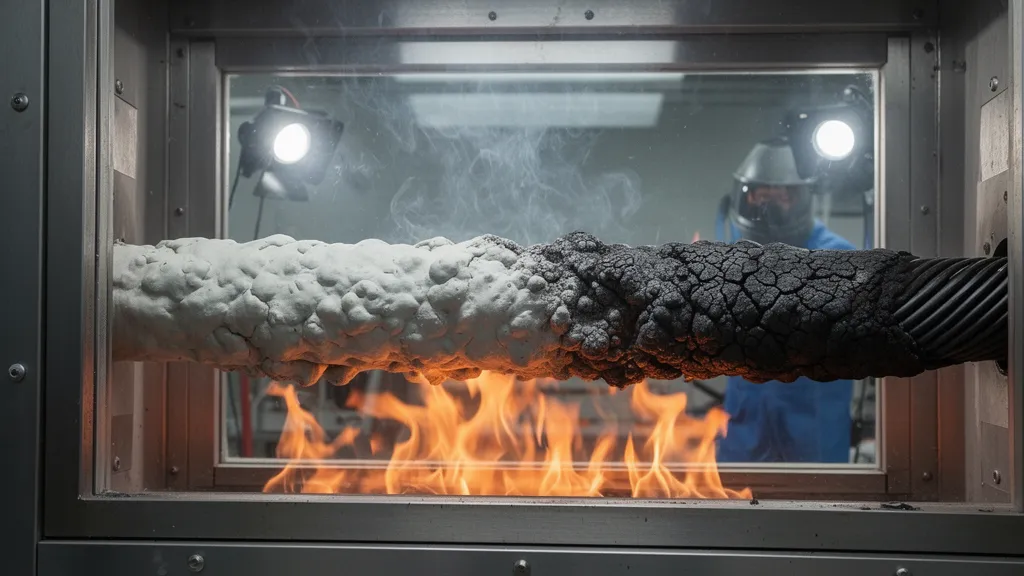
A railway station is two buildings sharing one address: a public assembly space governed by fire and evacuation engineering, and a 24-hour transport machine governed by reliability rules. Its power cables are specified where those two regimes meet, and a schedule that answers only one fails review on the other. The reliability regime starts with load classification. Signalling, interlocking, communications, automatic fare collection and platform screen doors sit at the top class — each requiring two independent supplies with automatic transfer, critical signalling electronics additionally held up by batteries or UPS through the switch interval. That requirement is written into the cable route, not just the panel: duplicate feeders are physically separated by tray, riser and compartment, so one fire, one flood in a below-ground plant room, or one excavation cannot remove both sources of a first-class circuit. Cable schedules therefore read as pairs, and the pairing survives to termination boards. The building regime governs what the cables are made of and where they run. Concourses exceed any standard floor plate, making voltage drop — not ampacity — the binding calculation on long feeder runs under IEC 60364 limits. Evacuation lighting and its control system follow GB 51309-class emergency rules, smoke-control fans and fire pumps keep circuit integrity through the fire period under IEC 60331-class testing, and every route in occupant space carries the low-smoke halogen-free fire performance declared under GB 31247 or EN 50575 practice. The machine regime adds mechanical detail trains impose: continuous vibration from passing traffic loosens fixings and fatigues gland terminations, so anchoring intervals, clamp types and bending provisions are designed against dynamic load; signal circuits keep separation from power cables to limit interference along shared routes. Specify a railway station power cable by asking three questions — which redundancy pair it belongs to, which fire class its space demands, and which vibration its route carries.
China XINYA Power Cables Co., Ltd Email: [email protected] Email: [email protected] whatsapp: +86 15289885778 Website: https://www.power-cables.com