
Power Cable Production: How a Factory Actually Delivers Rated Cable
power cable production, continuous vulcanisation XLPE line, medium voltage cable routine testing, cable drum batch traceability, XLPE cable lead time changeover,
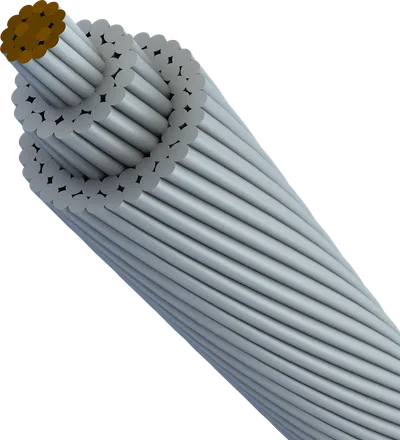
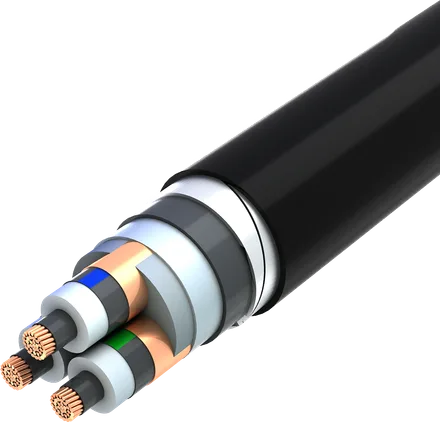
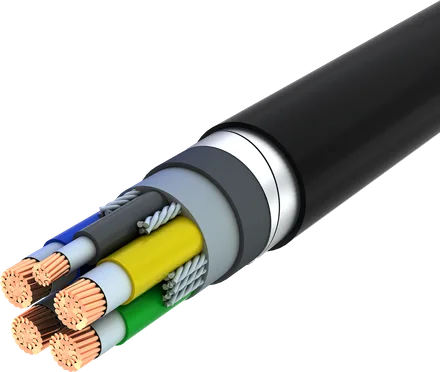
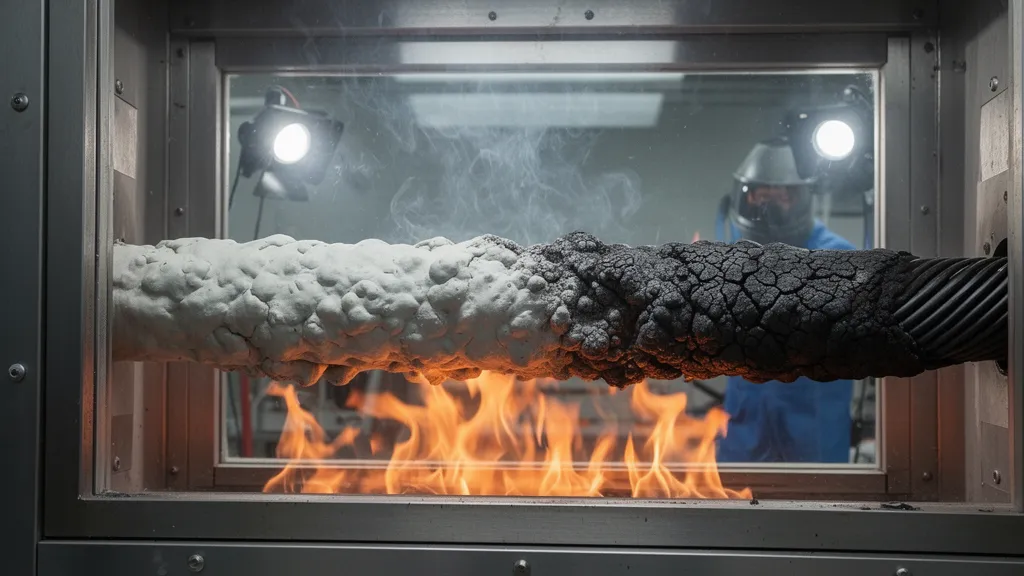
Power cable production differs from general wiring manufacturing in one structural way: every product family demands its own line physics. Building wire can tolerate modest tooling; an 11 kV or 33 kV power cable cannot. The backbone is a continuous vulcanisation line: triple-head extrusion feeds a curing tube for medium-voltage cores, followed by degassing, screening, armouring and sheathing stations, each with independent speed control. Because the core must exit the tube at a stable line speed, the plant schedules power cable production in long campaign runs; short orders pay in changeover and purging time, which explains why lead times for crosslinked XLPE sizes stretch while thermoplastic low-voltage cable moves freely. Quality gates are positioned by irreversibility. Conductor resistance, stranding class and diameter are checked before insulation, since a nonconforming core cannot be reworked cheaply. In-line spark testing, laser diameter and wall-thickness scanning run on the sheath stage. Finished reels then face routine testing — resonant AC withstand with partial discharge logged, insulation and sheath resistance, dimensional verification — and only type-tested designs reach voltage class claims. Traceability is an operational requirement, not paperwork. A drum should carry batch, line, shift and curing record identifiers so a field fault years later maps back to extrusion conditions and compound lot. Test certificates quoting measured values, not checkboxes, let engineers judge margin rather than pass. For buyers, three audit questions separate mature plants from assemblers: which parameters are monitored in-line versus sampled offline, how often gauges are calibrated, and what happens when routine test drifts toward limits — does the plant stop the line or re-test until compliant. Capacity planning answers the rest: rod sourcing, cure tube uptime and test bay booking usually set real lead time, not headline output. Power cable production judged on these measures becomes comparable across suppliers, which is the point.
China XINYA Power Cables Co., Ltd Email: [email protected] Email: [email protected] whatsapp: +86 15289885778 Website: https://www.power-cables.com