Steel industry representatives and energy experts said increasing demand for electricity from artificial intelligence (AI), data centers and industrial electrification is putting unprecedented pressure on the US power system.
A recurring theme through the panel discussion — titled “The Race for Power: Can steel decarbonize in an era of surging demand?” — was that transmission infrastructure has become a big bottleneck, both for AI expansion and traditional large producers such as steel producers.
“We can build as many new generation plants as we can support, but if you don’t have a way to move those electrons, it’s a moot point,” Jacob Keany, economic development consultant at FirstEnergy, said during the panel discussion held on September 24.
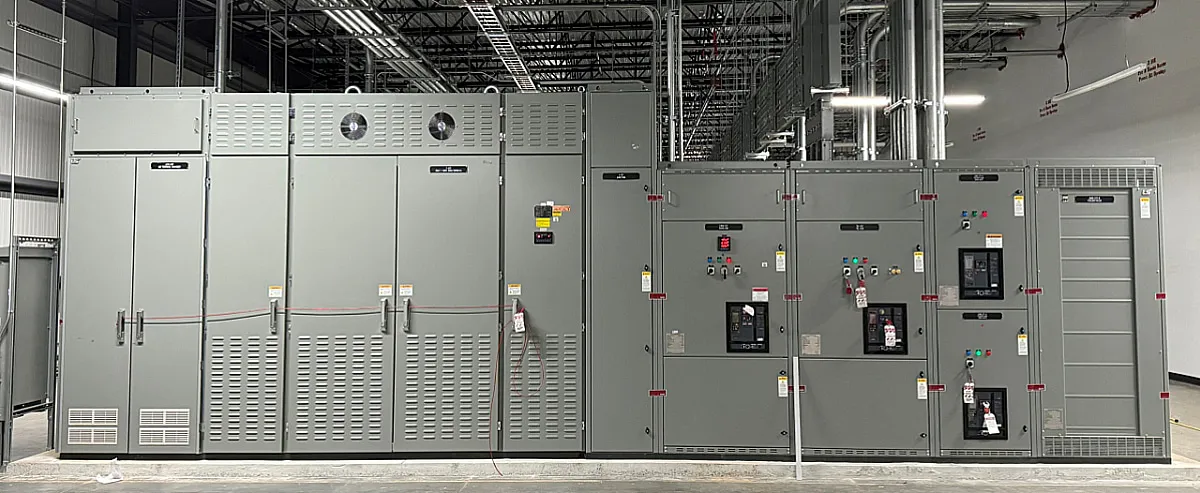
Chris Bataille, global fellow at the Center on Global Energy Policy, echoed that view, identifying transmission expansion and shortages of transformers, breakers and other grid equipment as key challenges.
Garrett Kent, director of energy at Commercial Metals Company (CMC), told attendees that transformers for the company’s new West Virginia steel mill had to be ordered about two and a half years in advance because of extended lead times.
The panel also discussed how rapidly growing AI-related power demand is changing utility planning and project development. While Kent said steelmakers are not directly competing with data centers for electricity, utilities are increasingly managing large requests from both sectors.
During the discussion, moderated by Fastmarkets’ senior steel price reporter Rijuta Dey, Bataille argued that expanding power supply must occur before deeper decarbonization goals can be met.
“The mantra has to be electrify first, decarbonize later,” Bataille said.
According to Bataille, future low-emission steel technologies such as hydrogen-based direct-reduced iron (DRI) and iron ore electrolysis could require significantly more electricity than current steelmaking routes.
Panelists ultimately favored an “all-of-the-above” approach to power generation, combining renewables, battery storage, natural gas, nuclear and existing generation sources while accelerating investment in transmission infrastructure.
“The question is no longer simply whether we know how to produce steel with lower emissions,” GSCC executive director Adena Renee Adler said in her opening remarks. “Increasingly, it is whether the energy system can support those solutions on a commercial scale.”
The rise and dominance of AI and its impact on industry and humanity overall were key themes at this year’s Climate Week NYC, with members of Congress calling for more transparency.
Brian Schatz, US senator from the state of Hawaii, called the rate of AI development an “emergency,” urging independent third-party review before frontier models are released.
Senator Sheldon Whitehouse, the ranking member of the US Senate Environment and Public Works Committee, said that data center builders have not behaved “like good citizens,” noting that there should be more transparency, and predicting that the US Congress will “step in a bipartisan way” to regulate the burgeoning sector.
US steelmakers face a “robust opportunity” in the data center construction boom, driven by rapid implementation of AI software, Barry Zekelman, executive chairman and chief executive officer of Zekelman Industries, has previously told Fastmarkets.
President Donald Trump, who refers to AI as “super intelligence” or SI, established the Super Intelligence Force (SIF) in early October.
The task force is an interagency federal task force designed to coordinate technology policy, oversee AI development, and engage with industry leaders.
Daily price assessments and forecasts show what demand means for steel prices
Source: Fastmarkets