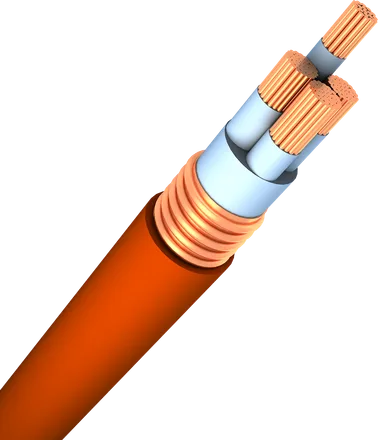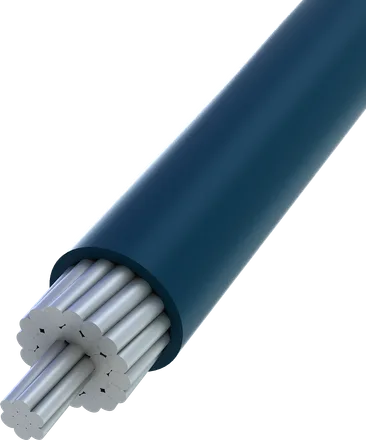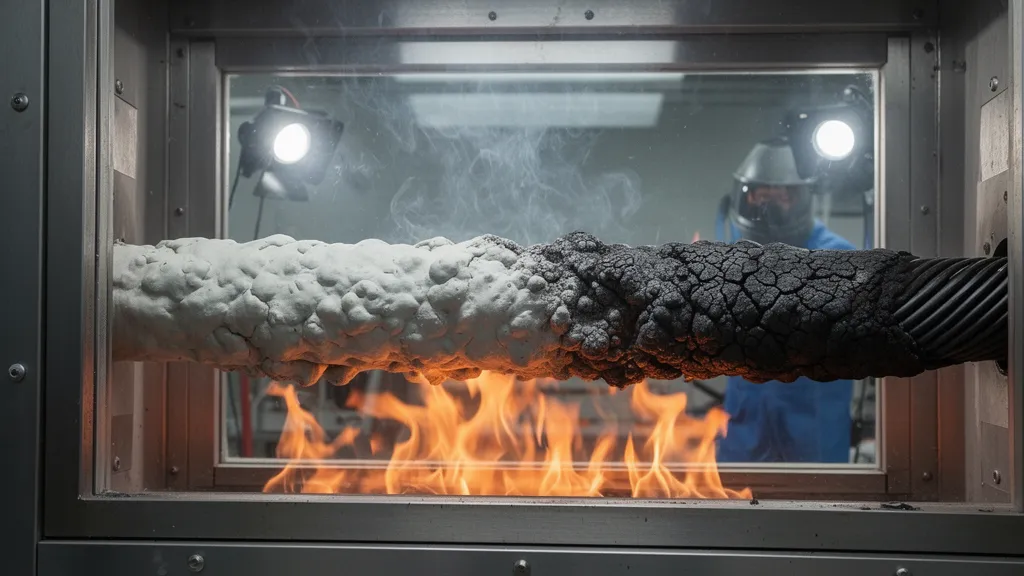
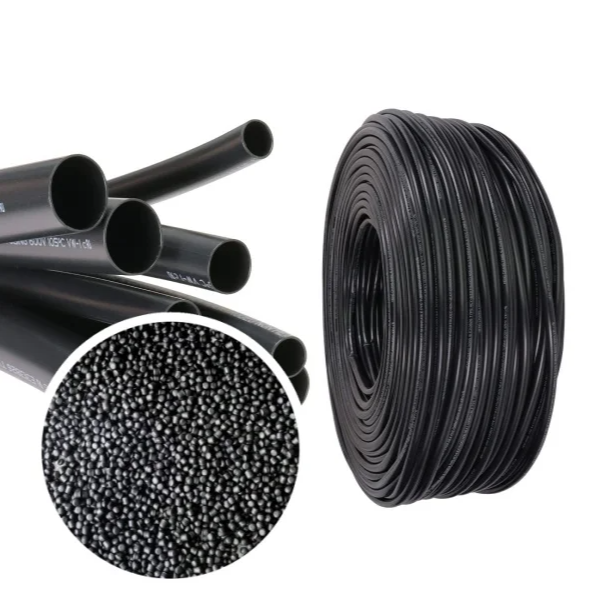
Sheathing compound selection decides whether a cable survives its environment, because the outer layer is the only part exposed to sunlight, soil, oil and abrasion. A good sheathing compound in power cables must combine mechanical protection with chemical inertness and stable behaviour across the temperature band. PVC sheaths remain common indoors, resisting oil and flame cheaply, but stiffen below freezing and release corrosive hydrogen chloride when burning. Polyethylene sheaths suit direct burial: tougher, more moisture-tight and better at low temperature, though standard grades crack under stress unless carbon-black stabilised for UV. Where fire performance governs, halogen-free low-smoke polyolefin sheathing compound limits smoke density and toxic gas in tunnels, metros and high-rises. Chlorinated polyethylene adds abrasion and heat resistance for industrial duty; polyurethane handles repeated flexing and cutting fluid on portable leads. Match hardness, temperature range and chemical exposure to the actual route.
China XINYA Power Cables Co., Ltd Email: [email protected] Email: [email protected] whatsapp: +86 15289885778 Website: https://www.power-cables.com