Photovoltaic Cables — Exposure, Not Voltage, Sets the Specification
photovoltaic cables, H1Z2Z2-K EN 50618 solar cable, 1500 V DC photovoltaic cable, PV cable ampacity derating, solar connector crimp pull test,
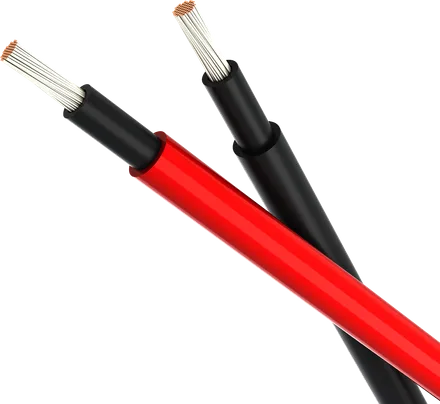
Photovoltaic cables are the DC wiring that runs module to module and array to combiner, and their specification is set by exposure, not voltage alone. Twenty-five years of ultraviolet radiation, roof-surface heat, ozone and daily thermal cycling act on a jacket that is never opened for inspection. EN 50618 and the German TÜV 2 PfG 1173 specification define what must be proven; the printed marking H1Z2Z2-K records the result — H1 halogen-free, Z2 cross-linked insulation and sheath, K thin-wall single-layer construction, rated 1.0/1.2 kV AC and 1.5 kV DC. Electron-beam cross-linked polyethylene or ethylene-vinyl acetate carries continuous conductor temperature near 120 °C and far higher short-circuit peaks, which is why these compounds replace the thermoplastic insulation used on building wire. Class 5 stranded copper, bare or tinned for coastal duty, keeps the cable flexible through a full day of movement. Two ratings must match the system rather than the module: maximum system voltage, now commonly 1500 V DC, and connector compatibility. A cable rated 1.5 kV DC paired with 1000 V DC hardware does not make a usable array circuit, so specify insulation, sheath and connectors certified to the same figure. Size the DC run for roughly one percent drop, then derate ampacity for the ambient temperature inside roof-mounted conduit, where surface values above 60 °C are normal in summer. Field failures concentrate at interfaces rather than in the cable body. Crimp with the connector maker's matched tool and die and verify with a pull test; keep splices out of conduit; provide a drip loop so water cannot track into a connector; avoid contact with backsheet edges and frame burrs; use UV-rated ties and respect the cold-bending radius. Record insulation resistance to earth for both polarities at the voltage required by IEC 62446-1, and check the print legend, reel certificate and retained sample before the cable goes on the roof.
China XINYA Power Cables Co., Ltd Email: [email protected] Email: [email protected] whatsapp: +86 15289885778 Website: https://www.power-cables.com