Metro Power Cables Are Selected Against Stray Current and Tunnel Fire metro power cables, DC traction cable 1500V, subway stray current corrosion,tunnel fire performance cable,GB/T 28429 railway cable
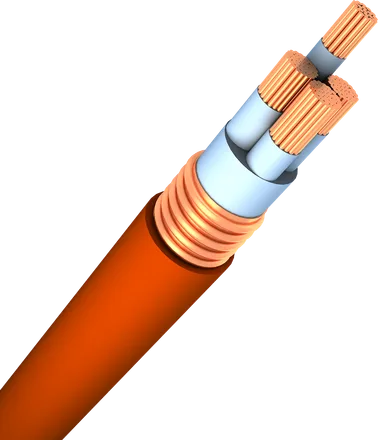
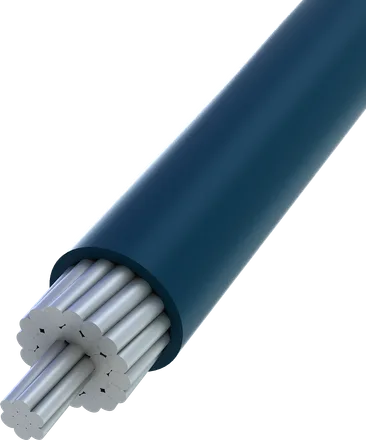
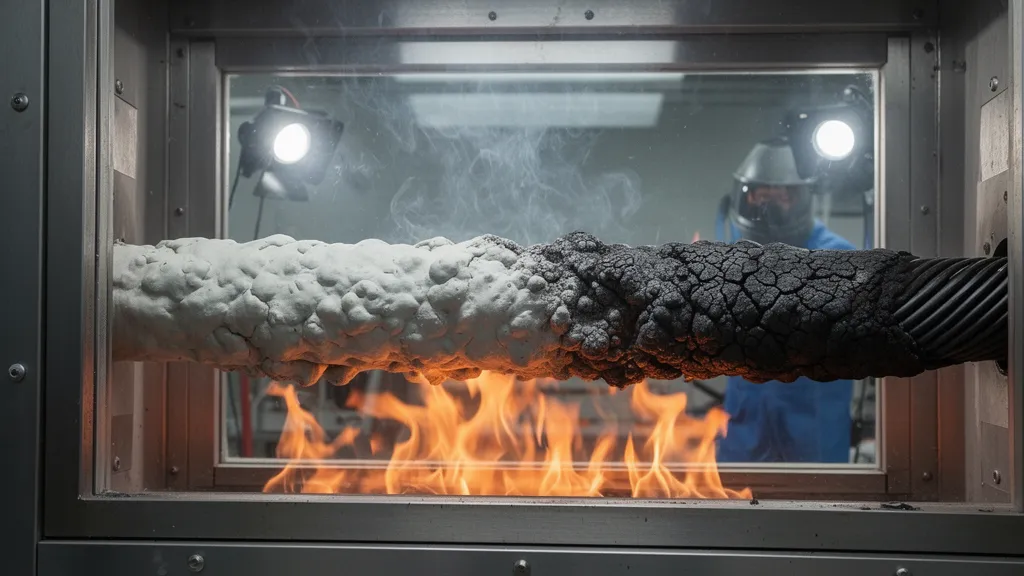
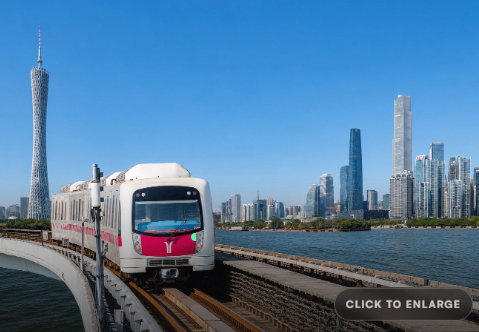
Metro, subway and underground railway power cables share the electrical duty of any traction supply, but two hidden mechanisms decide the specification: direct-current return paths and enclosed-tunnel fire behaviour. The supply is DC. Traction networks operate at 750 V via third rail or 1500 V via overhead line, with system voltages that can reach 1800 V, and purpose-built cables answer them: XLPE or EPR insulation rated for 90 °C continuous and 250 °C for five seconds of short circuit, tinned or bare annealed copper to Class 2 or 5, under standards such as GB/T 28429 for DC traction cables and accessories. DC changes insulation physics — constant polarity stresses space charge differently than AC, so a cable specified for AC duty is not automatically suitable for the traction feeder, and terminations must be proven for DC fields as well. The return path is the metro's signature problem. The running rails carry traction return current but cannot be perfectly insulated from ground, so a fraction leaks into soil, finds metallic paths — structure reinforcement, pipelines, cable armour and sheaths — and destroys metal where it leaves them: electrochemical corrosion eats steel from the exit side. Mitigation follows the block-then-drain doctrine: raised rail-to-ground insulation, an ordered drainage network returning leakage to the substation, corrosion monitoring terminals, and structural design verified against limits such as a 0.1 V average longitudinal voltage on structure reinforcement. Cable metalwork must be deliberately bonded into this scheme or deliberately shielded from it; either way, it must not become an uncontrolled exit point. The tunnel demands the third property. Combustion products in a sealed bore govern everything: halogen-free low-smoke compounds to national fire classification, circuit integrity for evacuation lighting and fans under fire, and mechanical arrangements sized for the actual heat accumulation rather than open-air assumptions. Specify metro cable by its DC rating, its place in the stray-current scheme, and its fire class — the three quiet consumers of tunnel systems.
China XINYA Power Cables Co., Ltd Email: [email protected] Email: [email protected] whatsapp: +86 15289885778 Website: https://www.power-cables.com