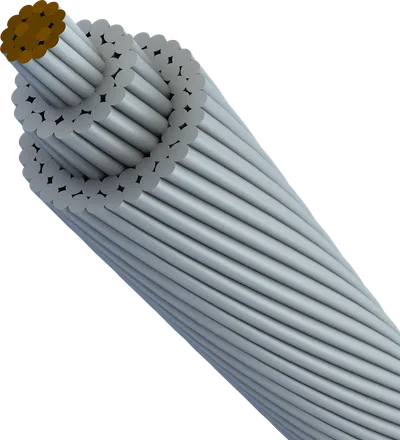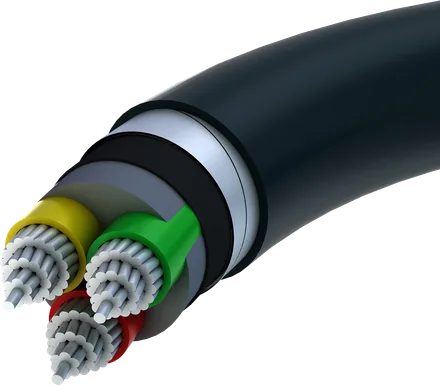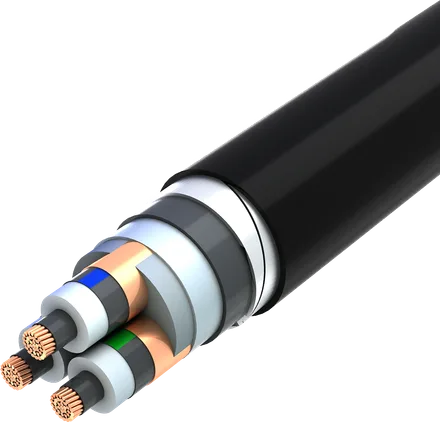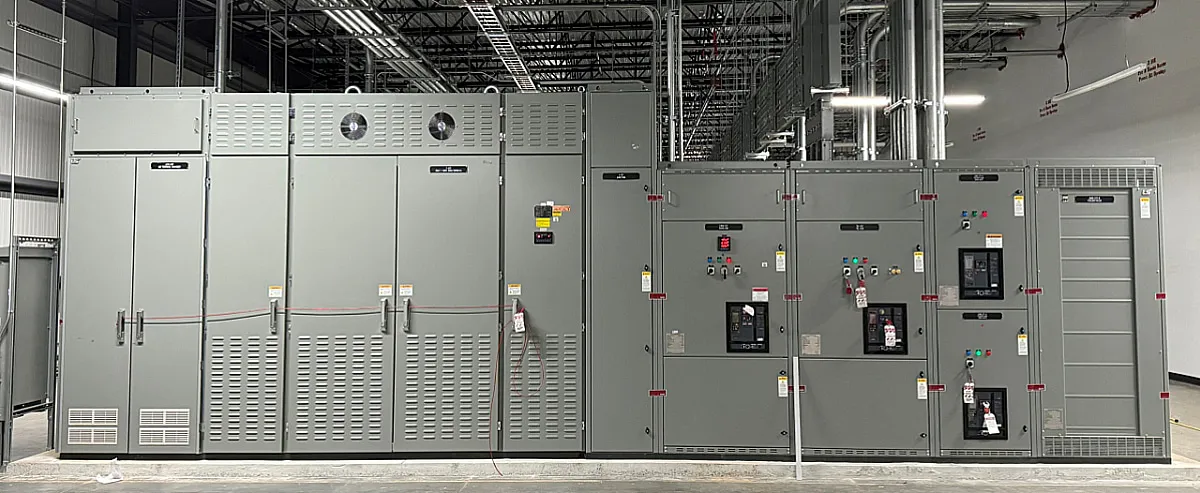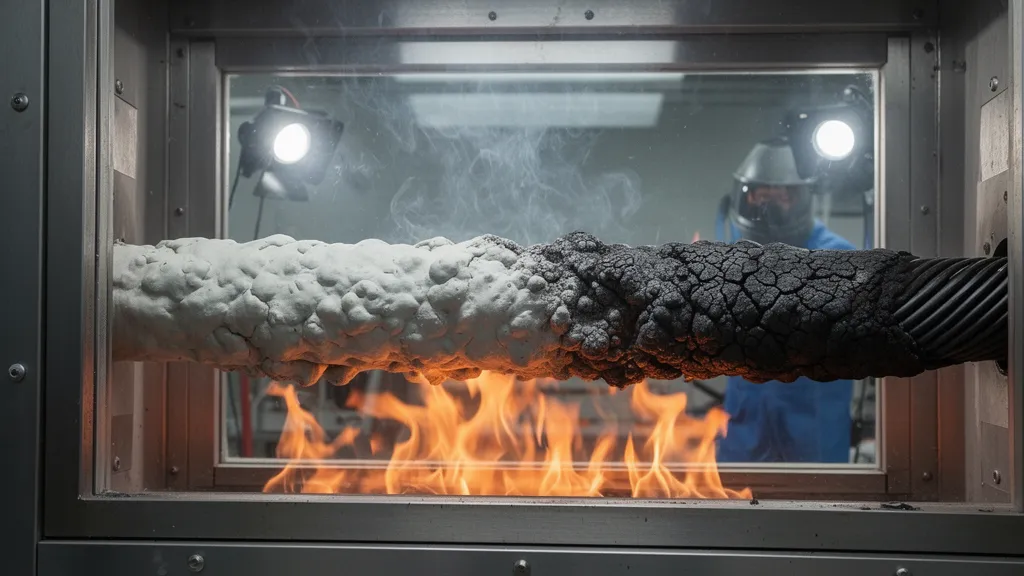
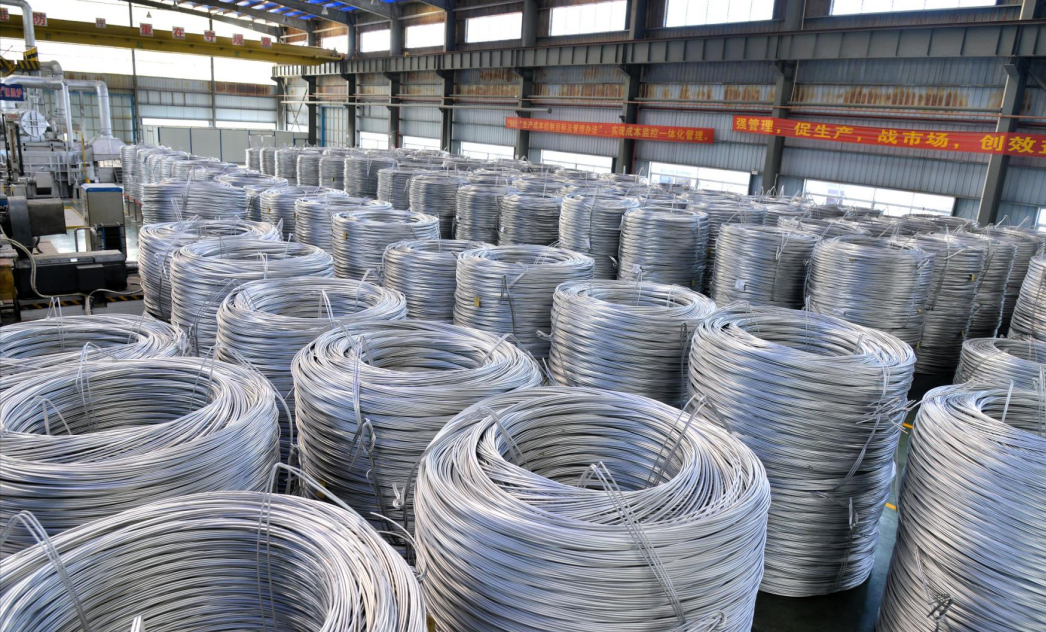
A low-voltage power cable is rated 0.6/1 kV and feeds electricity from distribution boards to final equipment, the most common cable in any installation. Typical low-voltage power cable construction uses stranded copper or aluminum conductors, each core insulated in PVC or cross-linked polyethylene, laid up and finished with an extruded outer sheath. Unarmoured types suit indoor trunking and conduit; steel-tape armoured versions suit direct burial. Sizing begins with load current, then applies derating for ambient temperature, grouping and conduit fill. Voltage drop should stay near four percent of nominal, a limit often breached on long runs that still pass overcurrent protection checks. Keep bending radius above six times cable diameter and terminate with the correct lug and torque; loose connections create hot spots that carbonise the sheath. Before energising, measure insulation resistance at 500 or 1000 volts and verify continuity. IEC 60502-1 defines the test values and thermal short-circuit limits for the cable.
China XINYA Power Cables Co., Ltd Email: [email protected] Email: [email protected] whatsapp: +86 15289885778 Website: https://www.power-cables.com