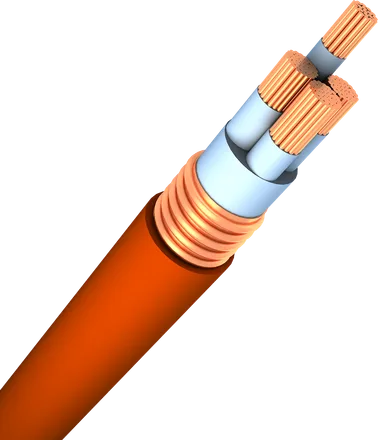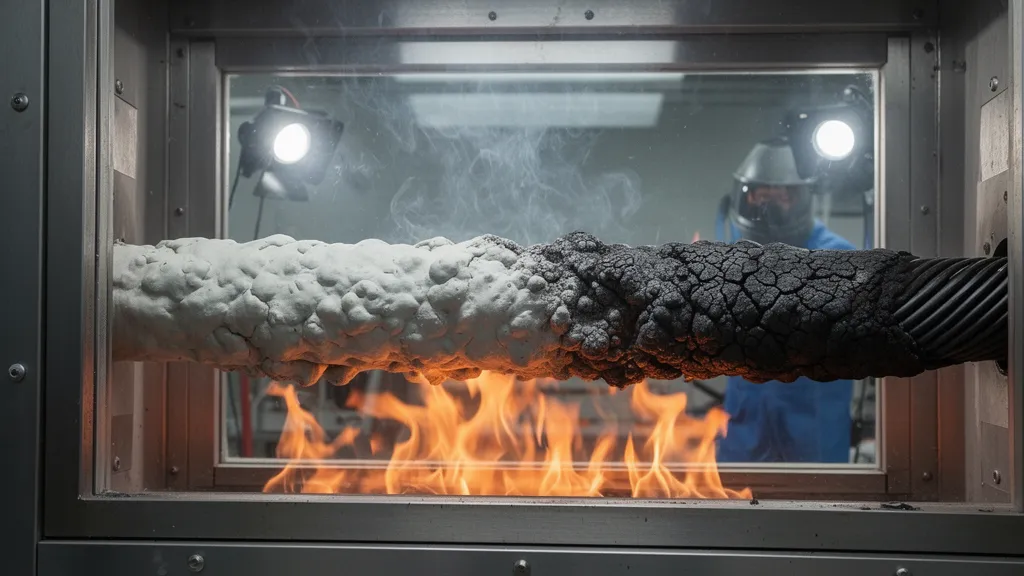
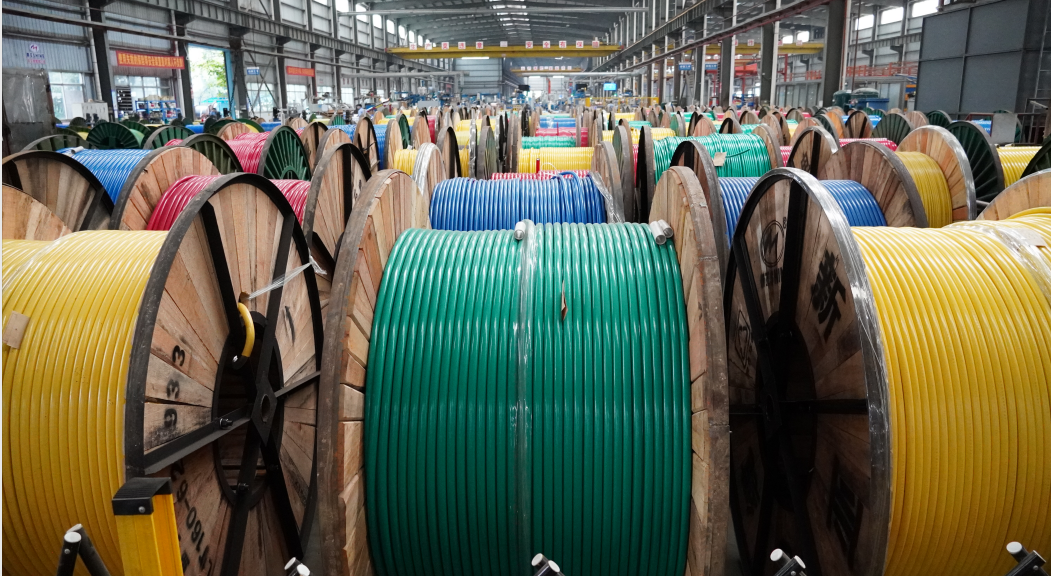
Insulation material in power cables determines how much voltage, heat and abuse a conductor survives. PVC dominates low-voltage work: flexible, flame-retardant and economical, yet continuous service temperature stops near seventy degrees. Cross-linked polyethylene raises that rating to ninety degrees and short-circuit tolerance to about 250, with far lower dielectric loss, making XLPE the default insulation material in power cables above one kilovolt. The trade-off is water treeing, so distribution grades pair tree-retardant compounds with water-blocking tapes. Ethylene propylene rubber adds flexibility and ozone resistance, favoured on motor leads and mining cables despite higher dielectric loss. Silicone rubber serves past 180 degrees in furnace wiring. Where fire safety governs, halogen-free cross-linked polyolefin emits little smoke and no corrosive acid. Match insulation material to duty: voltage class, thermal cycling, moisture, chemicals and bending behaviour each change the correct answer.
China XINYA Power Cables Co., Ltd Email: [email protected] Email: [email protected] whatsapp: +86 15289885778 Website: https://www.power-cables.com