Copper Core Cable — Reading the Specification, Testing the Drum
copper core cable, IEC 60228 conductor class, copper clad aluminum detection, compact stranded conductor, conductor resistance test 20°C,
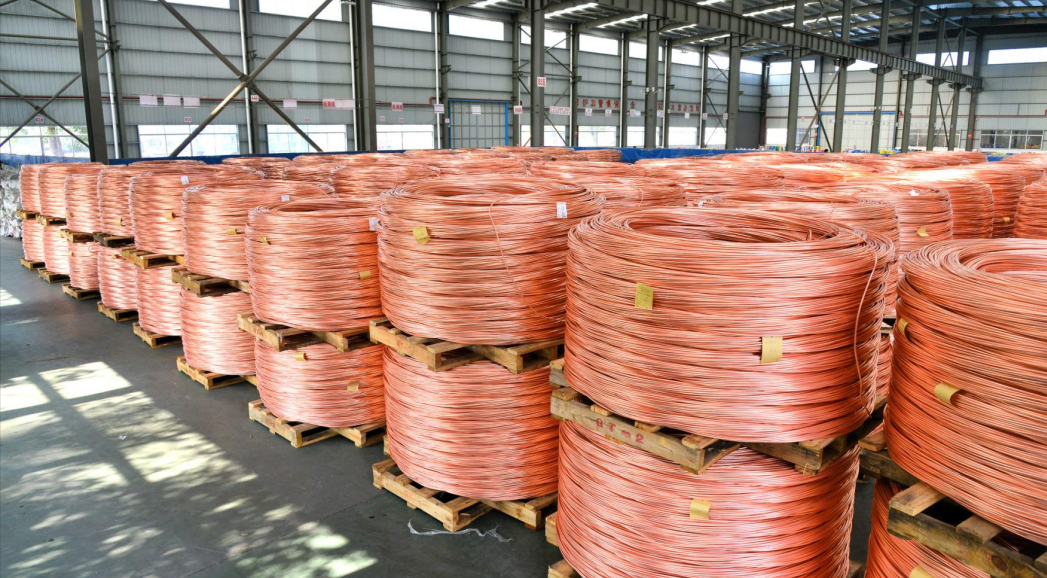
Copper core cable is defined by four numbers a nameplate either answers or avoids: conductor class, stranding geometry, nominal cross-section, and DC resistance measured at 20 °C against IEC 60228 limits. Copper core cable for fixed wiring arrives as Class 1 solid or Class 2 stranded copper, drawn from low-oxygen rod and annealed in line so elongation recovers after stranding; Class 5 and Class 6 fine stranding is reserved for flexible duty. Stranding is not cosmetic. Round compact stranded conductors dominate single-core sizes, while sector-shaped cores let three- and four-core designs keep overall diameter — and bending space — down. Compaction pushes the fill ratio above 85 percent, shaving millimetres from the finished cable without touching resistance. Acceptance testing belongs at the receiving dock, not in a catalogue. Measure conductor resistance over a known length, correct it to 20 °C using copper's temperature coefficient near 0.00393 per kelvin, and compare against the standard's maximum rather than the nominal area — nominal size is a label; resistance is the binding criterion. Then take a microsection: strand count, individual wire diameter, and any insulation squeezed into the interstices reveal whether the drum matches the order. Two quick field checks catch most substitutions. Copper-clad aluminium fails the resistance comparison by a wide margin and shows a silvery core under a knife scrape at the cut end; undersized Class 2 strand reads light on calculated weight per kilometre against the actual scale. Verify both directions. At terminations, solid cores need full-section compression lugs. Tinned copper buys life in coastal atmospheres and at mixed-metal joints, while bare bright copper needs capped drums and dry storage before pulls. Ask suppliers for routine test values, not pass marks — measured ohms per kilometre let an engineer judge the margin himself.
China XINYA Power Cables Co., Ltd Email: [email protected] Email: [email protected] whatsapp: +86 15289885778 Website: https://www.power-cables.com