Cable Stranding: What the Twist Decides About Your Conductor
cable stranding, stranded conductor classes IEC 60228, lay length birdcaging conductor, compact stranded conductor, bunch stranded vs concentric stranding,
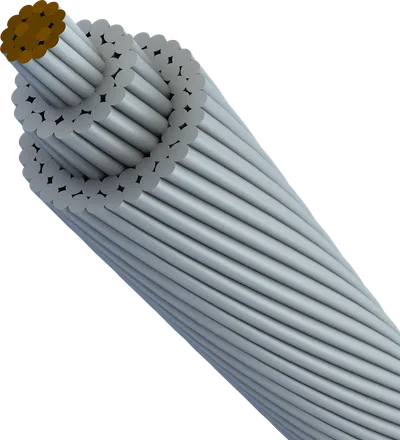
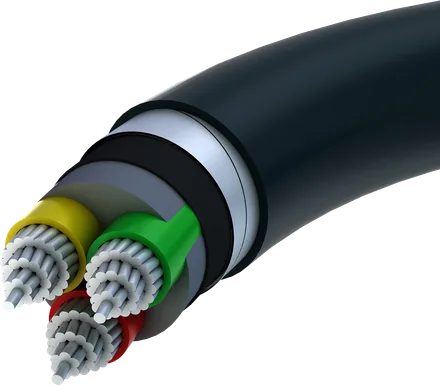
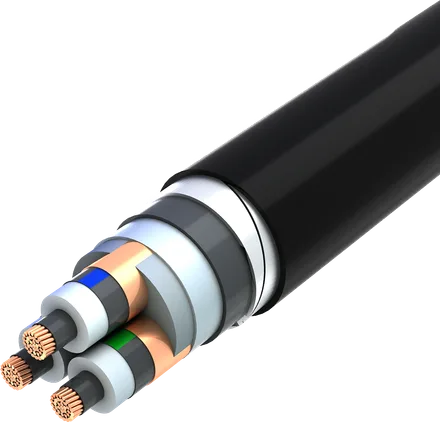
Cable stranding turns dozens of drawn wires into one conductor, and small decisions buried inside that twist control how the finished cable behaves in the hand and in the conduit. The reason it exists is fatigue: a solid wire of equal cross-section work-hardens after a few bends and eventually cracks, while twisting shorter wires around a common axis distributes that bending and lets layers rotate. IEC 60228 encodes the result as classes — Class 1 and 2 for fixed installations, Class 5 for flexible use, Class 6 where vibration never stops — defined by maximum single-wire diameter and strand count, not by marketing names. Two parameters drive behaviour. Lay length, the axial distance for one strand to spiral through 360 degrees, typically runs ten to twenty times the layer diameter; direction alternates between layers so the conductor stays locked. A longer lay feels livelier during installation but invites birdcaging at the cut end; a shorter lay binds tightly at the cost of metallic length, which quietly raises resistance per finished metre. Concentric stranding on a tubular machine produces orderly layers; bunch stranding twists everything in one pass — cheap and very flexible, yet dimensionally loose under subsequent cabling. Manufacturers then compact the outer layer through roller dies, pushing fill ratio above 85 percent, trimming overall diameter and keeping insulation from squeezing into interstices where a later crimp would find gaps. Stranding reappears at the terminals. Class 5 cut ends fray unless ferruled; compression dies sized for the alloy and class grip without cutting strands, and a conductor that springs back after crimping holds contact pressure through thermal cycles. Published bend radius assumes the stranding on the order — change either one and the other loses validity. On the receiving dock, one field test catches substitution: mark a metre, bind both ends with tape before cutting, count the strands, and micrometre a few wires. Class, count and diameter tell the truth about the drum.
China XINYA Power Cables Co., Ltd Email: [email protected] Email: [email protected] whatsapp: +86 15289885778 Website: https://www.power-cables.com