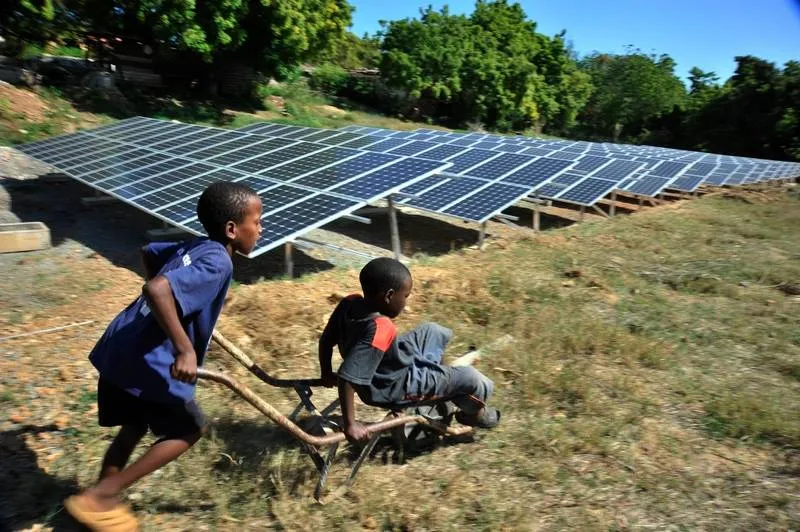
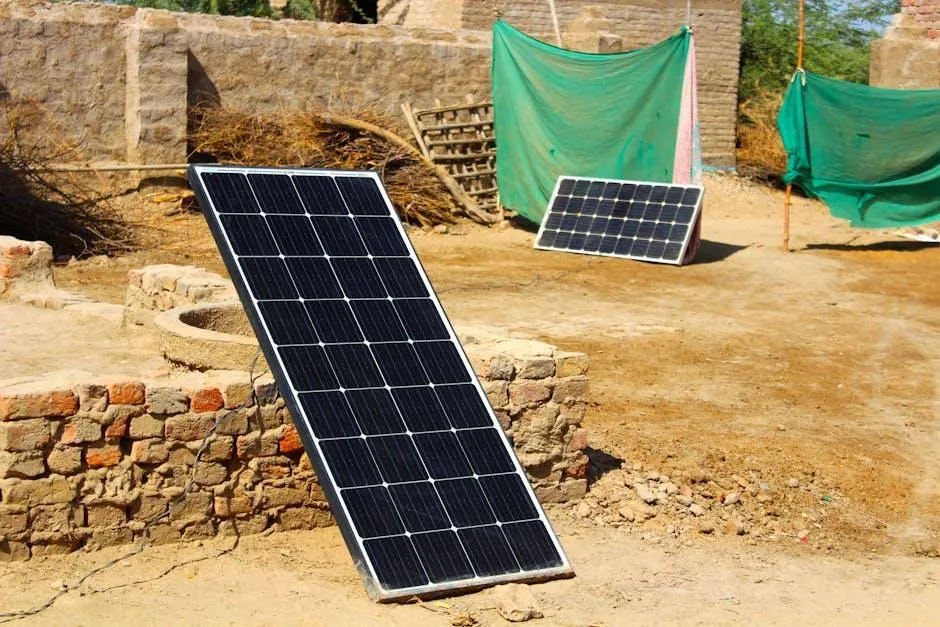
The off-grid solar market in Sub-Saharan Africa is poised for a transformative decade, with capacity projected to expand by 450% by 2035. According to the latest report from Wood Mackenzie, titled Off-grid solar PV in Sub-Saharan Africa: a multi-gigawatt growth opportunity, solar is rapidly becoming the primary electrification engine for the region. This growth is fueled by a convergence of plummeting module prices, the rising expense of diesel-based power, and innovative private capital structures.
The report identifies a diverse landscape across ten key markets. Nigeria is expected to account for approximately 35% of the total capacity growth, primarily driven by commercial and industrial (C&I) users seeking to reduce reliance on diesel generators. In the Democratic Republic of the Congo (DRC) and Zambia, growth is heavily linked to mining operations that require reliable, cost-effective power. Meanwhile, in Kenya, the market is shifting toward cost optimization for existing users, while Ethiopia and Tanzania are seeing significant deployments of smaller systems aimed at rural household electrification.
Despite the optimistic outlook, the report highlights significant hurdles. Financing remains the primary barrier, with borrowing costs in some regions exceeding 30%. Currency depreciation and the lack of local-currency financing options pose substantial risks to developers. Wood Mackenzie analyst Sohan Gwalani emphasizes that success in these markets requires ‘blended finance’ and development-finance guarantees that can absorb first-loss or currency risks, allowing commercial lenders to participate with greater confidence.
For Indian EPC contractors and solar developers, this forecast signals a massive opportunity to export expertise in C&I solar installations and microgrid management. Indian firms, which have mastered the art of delivering cost-competitive, high-efficiency solar projects in challenging environments, are well-positioned to serve the African market. The shift toward solar-as-a-service and pay-as-you-go models provides a blueprint for developers to enter the region by focusing on credit-worthy C&I offtakers rather than purely rural, low-income segments.
The trajectory of this 450% growth will be dictated by the ability of stakeholders to create predictable, long-term policy frameworks. As the India renewable energy sector continues to mature, domestic players looking to expand their global footprint should monitor these African markets closely. The ability to structure projects that mitigate offtaker credit risk and currency volatility will be the ultimate differentiator for developers aiming to capture a share of this multi-gigawatt opportunity.
Source: mvapulse