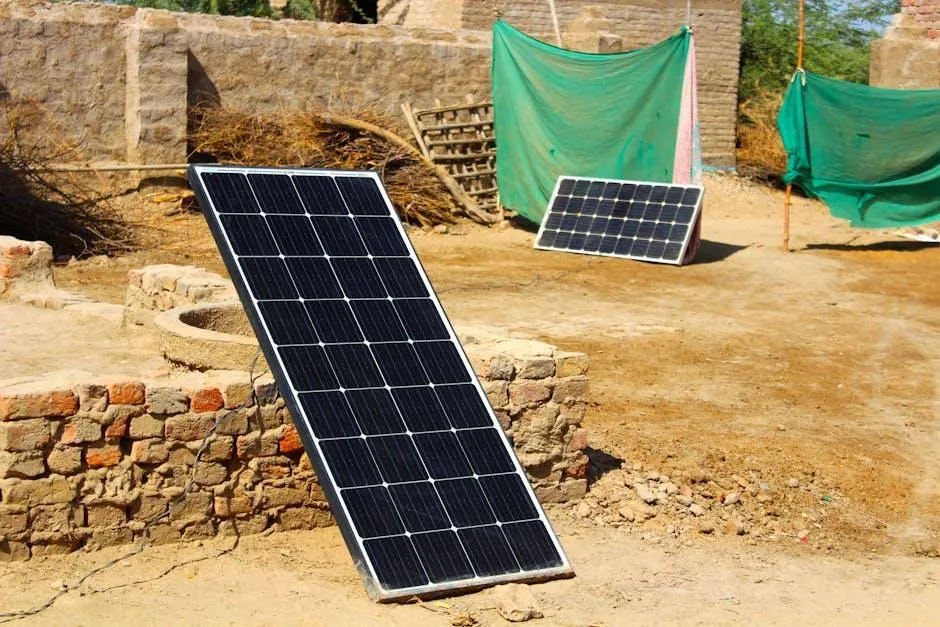
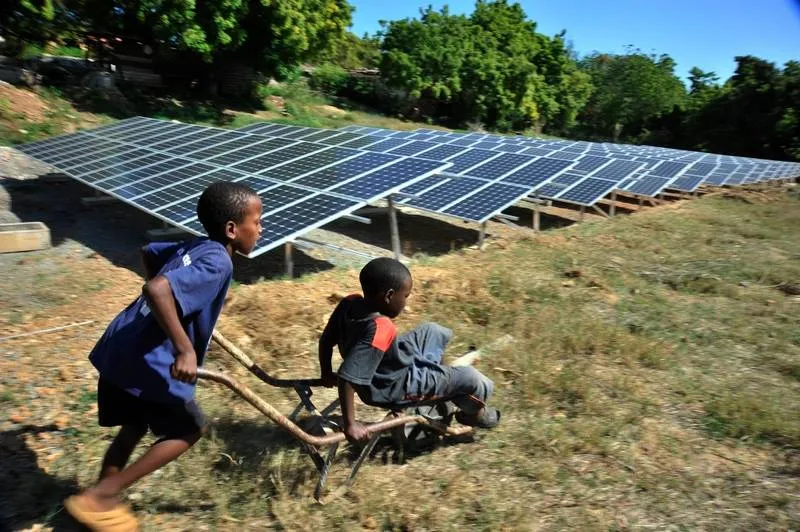
According to Sohan Gwalani, Research Analyst, Middle East and Africa Renewables at Wood Mackenzie, off grid solar PV is emerging as a central source of electricity for households, businesses and industrial operations across Sub Saharan Africa, where 600 million people still lack reliable power access.
According to Gwalani, installed off grid solar PV capacity across the region is forecast to increase sixfold by 2035. The market is being driven by persistent grid constraints, the rising cost of diesel self-generation, lower solar module prices and increased interest from private and blended finance providers.
National grids have struggled to keep pace with population growth and rising electricity demand. This has created an expanding role for decentralised solar systems, particularly in markets where grid power is unreliable or unavailable.
Nigeria is expected to remain the largest market, accounting for almost 35% of Sub Saharan Africa’s off grid solar installations by 2035. The removal of fuel subsidies in 2023 significantly increased diesel costs, strengthening the business case for commercial and industrial solar systems.
Solar as a service models are also supporting deployment in Nigeria. Under these arrangements, developers can install solar PV systems with limited or no upfront cost to the customer, recovering their investment through long term energy supply agreements. For commercial and industrial users, replacing even 25% of diesel supplied electricity with solar can deliver immediate operating cost savings.
Kenya remains one of Africa’s most developed off grid solar markets. However, its future growth is increasingly linked to energy cost reduction rather than first time electricity access.
As grid extension and net metering regulations expand, Kenyan businesses and consumers are expected to use off grid solar selectively where it offers a lower cost or more reliable source of power than the grid. The market is therefore moving towards a more mature model in which solar complements grid supply rather than replacing it completely.
The Democratic Republic of Congo is also expected to become a major off grid solar market, supported by growing electricity demand from copper mining operations.
Gwalani said the country has one of Africa’s strongest pipelines of mining related solar projects. At the Kamoa Kakula copper complex, an integrated 233 MWdc solar and battery storage facility is delivering guaranteed baseload power. The project demonstrates the potential for renewable energy systems to reduce diesel use in energy intensive industrial operations.
Mining in the copper belt remains a significant source of emissions because many sites rely on diesel generation. Solar PV and storage systems can provide lower cost electricity while reducing fuel consumption, logistics requirements and carbon emissions.
Falling solar equipment costs are further improving the market outlook. Sub Saharan African countries, excluding South Africa, have imported more than 27 GWdc of solar modules since 2022, according to Wood Mackenzie.
Developers are increasingly creating additional revenue streams through value stacking, which combines energy sales with financing, productive use appliances and related services. This approach is helping to improve project bankability and broaden access to solar systems for customers that may not be able to pay upfront.
Despite the strong demand outlook, financing remains the principal challenge for the sector. Currency depreciation, double digit interest rates and inconsistent rural electrification policies continue to raise the cost of capital and limit project development.
The extent to which the region captures its multi gigawatt off grid solar opportunity will therefore depend on the scale of private capital and blended finance available to support developers, customers and project pipelines.
Source: greenbuildingafrica