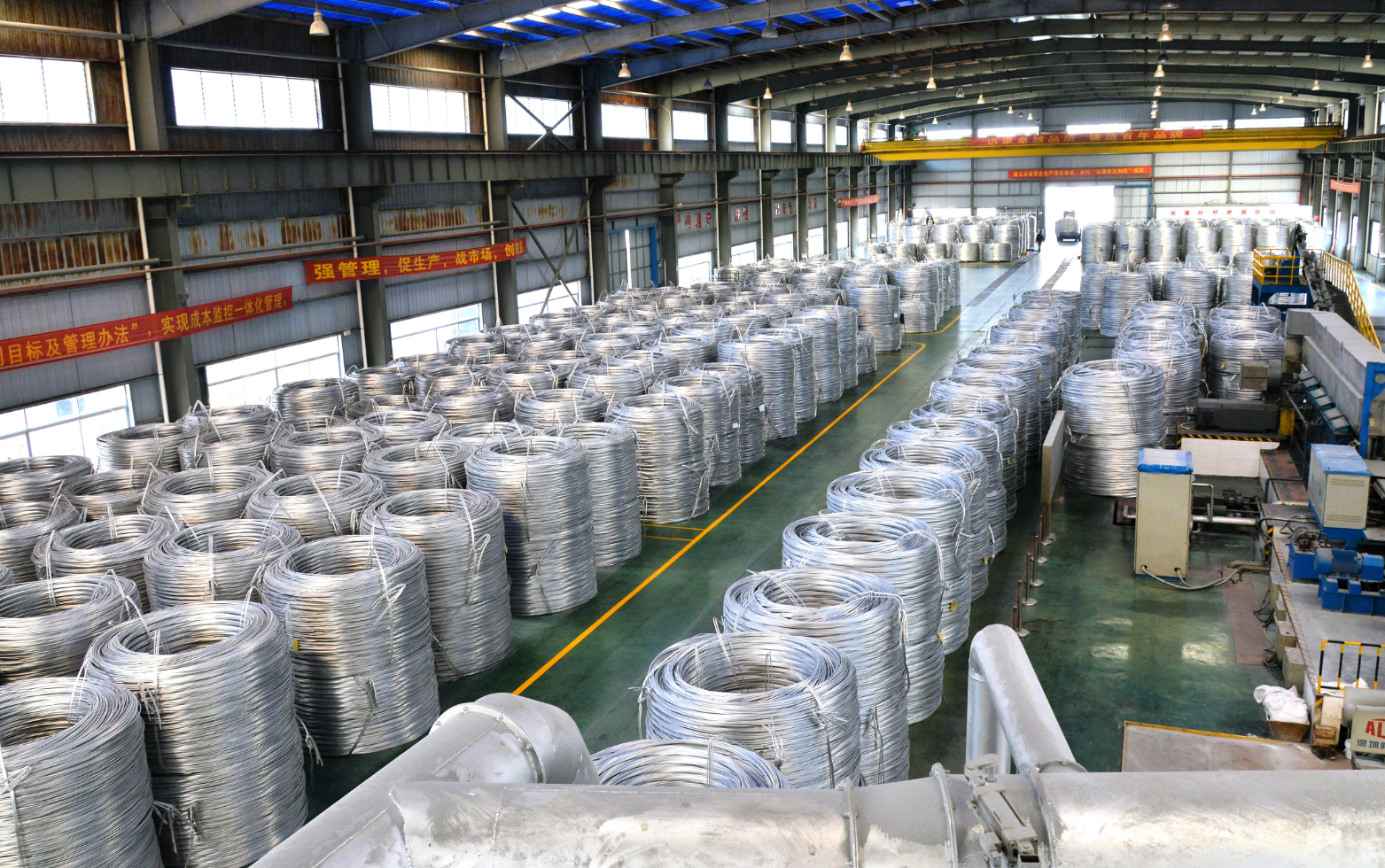
Conductor Shielding Material Cables: Why Uniform Electric Fields Matter for Medium- and High-Voltage Reliability Conductor shielding material cables are designed to create a smooth, uniform electric field around the conductor and prevent partial discharge, insulation stress and premature cable failure. For medium- and high-voltage power systems, conductor shielding is not an optional detail; it is a core part of cable safety. Procurement teams, EPC contractors and utility engineers should pay close attention to shielding design when selecting cables for substations, transmission networks, industrial plants and renewable energy projects. In extruded insulation cables, the conductor surface is never perfectly smooth. Stranded conductors create small gaps and irregularities that can concentrate electrical stress. A semi-conductive conductor screen, also called an inner semi-con layer, fills these gaps and forms a continuous interface between the conductor and the insulation. This reduces electric field distortion and helps protect XLPE or EPR insulation from localized damage. Conductor shielding is typically used in medium-voltage and high-voltage cables, such as 6/10 kV, 8.7/15 kV, 26/35 kV, 66 kV, 110 kV and above. Low-voltage cables usually do not require conductor shielding because electrical stress is much lower. For higher voltage classes, the quality of both the conductor screen and the insulation screen is critical. The two semi-conductive layers work together with the insulation to form a complete cable system. High-quality conductor shielding materials should provide stable volume resistivity, smooth extrusion, strong bonding with insulation and consistent performance under thermal cycling. Modern XLPE cables are often produced using triple-layer co-extrusion, where the conductor screen, insulation and insulation screen are applied together. This process reduces contamination risks, improves interface quality and supports better partial discharge performance. When evaluating conductor shielding material cables, buyers should confirm the voltage class, insulation type, screening structure and applicable standards. Relevant standards may include IEC 60502, IEC 60840, IEC 62067 and project-specific utility requirements. A reliable manufacturer should provide type test reports, partial discharge test data, routine test records and material certificates for conductors, insulation and semi-conductive compounds. Shielding quality also affects accessory installation. Cable joints and terminations must be compatible with the cable’s screening design. Incorrect stripping, poor grounding or mismatched accessories can create new electrical stress points, even if the cable itself is well manufactured. Our factory produces medium- and high-voltage power cables with properly designed conductor shielding, insulation and outer protection systems. If you need specifications, compliance documents or a quotation, please share your voltage level, conductor size, insulation type, installation environment and applicable standards. We will help you select cables with reliable screening performance for long-term operation.
XINYA Power Cables Co., Ltd Email: momo@cn-supplychain.com Email: eliza@power-cables.com whatsapp: +86 15289885778 Website: https://www.power-cables.com