Bare Conductor Cables — Metal, Stranding and Span Decide Everything
bare conductor cables, ACSR vs AAAC overhead conductor, conductor sag tension ampacity, ASTM B232 aluminium conductor, tinned copper bare conductor grounding,
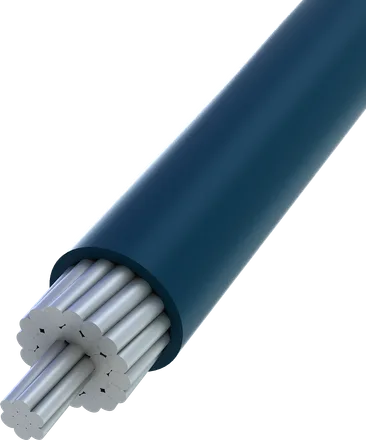
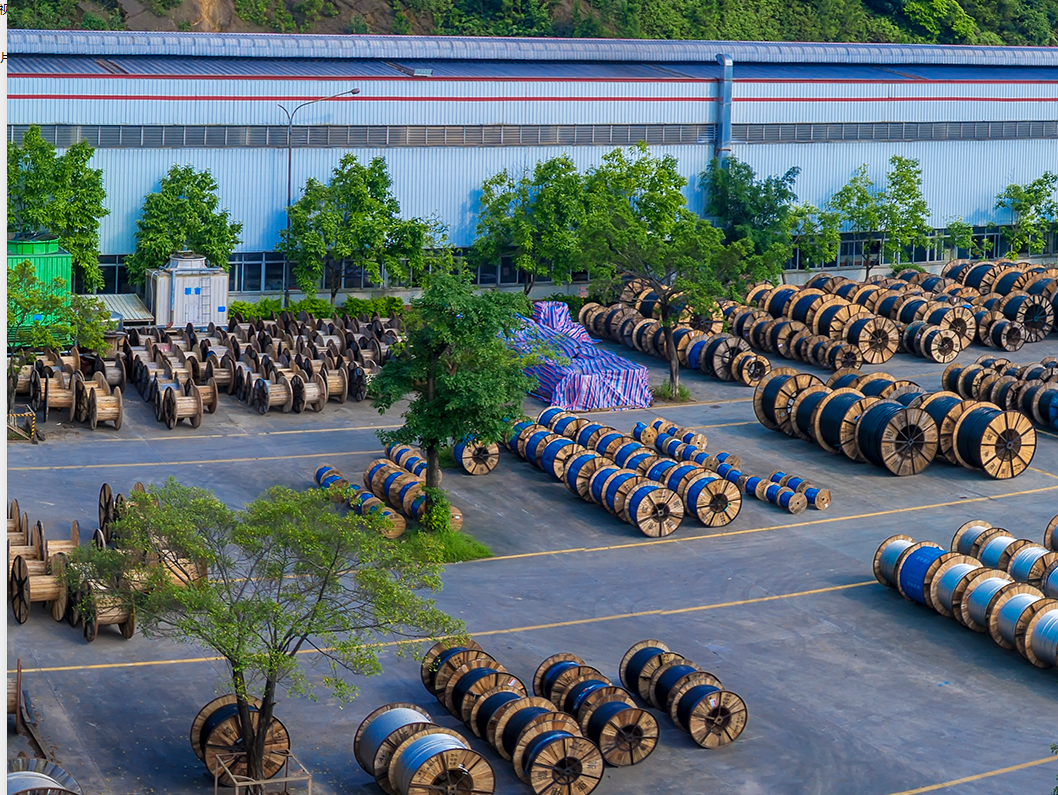
Bare conductor cables carry current without insulation, using air as the dielectric, so their behaviour depends on metal choice, strand geometry and span rather than any dielectric rating. Overhead lines, service drops, substation bus runs and grounding grids are four jobs demanding four different answers. All-aluminium conductor is light and economical, but its tensile strength limits practical spans. AAAC 5050 and 6201 alloys roughly double that strength at the same weight, allowing wider tower positions. ACSR layers annealed aluminium around a galvanised steel core: the steel takes the mechanical load while aluminium carries current, and higher steel content buys strength at the price of resistance. Long crossings point to ACAR or composite cores for lower sag. Bare and tinned copper stays in grounding, busbars and corrosive coastal or industrial atmospheres, where its fatigue and corrosion behaviour offsets the cost. Stranding classes matter as much as alloy: trapezoidal-layered conductors give a smoother surface and better gap ratio for line clearances, while Class B and Class C stranding keeps copper flexible enough to seat in grounding lugs without fraying. Four numbers decide a selection: rated ultimate tensile strength, DC resistance at 20 °C, ampacity from sag-tension calculation, and short-circuit withstand from conducting cross-section. Termination is where field failures start — cut ends fray, compression dies must match the alloy, dissimilar-metal joints need bimetallic connectors with antioxidant compound, and joints overheated beyond the metal's continuous service limit anneal locally and loosen over time. Inspect what arrives: lay length and stranding count against the order, wire diameter tolerance, and surface scratches deep enough to breach the galvanised coating. Conductors follow ASTM B230, B231, B232, B399 and B498 or IEC 61089; the certificate, the retained sample and the reel tag verify the drum before it leaves the yard.
China XINYA Power Cables Co., Ltd Email: [email protected] Email: [email protected] whatsapp: +86 15289885778 Website: https://www.power-cables.com