Countries from Southeast Asia to Sub‑Saharan Africa are prioritising renewable electricity over new fossil‑fuel projects, a shift reflected in recent capacity additions.
Solar and wind now dominate almost all new power‑generation capacity, with solar alone accounting for at least six percent of India's electricity mix and ten percent in Vietnam in 2023.
The trend is driven by falling costs: solar generation is frequently cheaper than fossil‑fuel electricity, and solar farms can be built faster and with lower upfront investment than coal or gas plants.
Emerging economies benefit from limited legacy fossil‑fuel infrastructure, allowing a quicker rollout of renewable grids compared with wealthier nations still tied to older plants.
Energy strategist Kingsmill Bond of Ember describes the phenomenon as a leapfrog where Asia electrifies rapidly while Europe and the United States see slower growth.
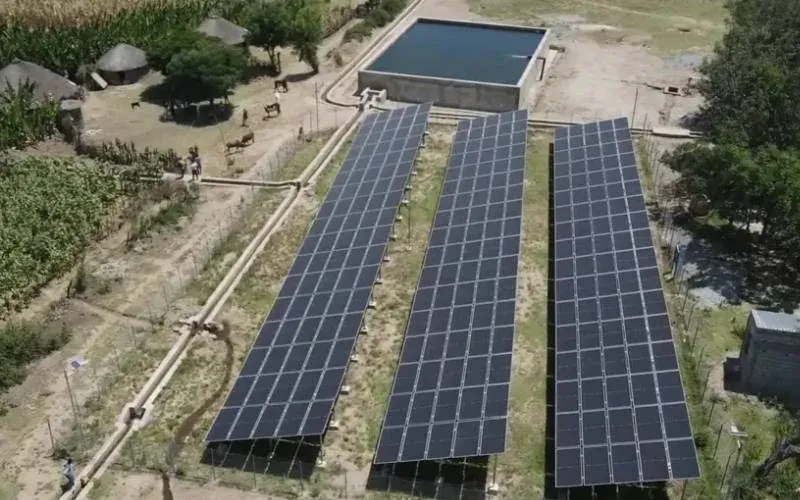
In Sub‑Saharan Africa, nations such as Kenya, Ethiopia and Namibia are expanding solar capacity to meet the needs of a young, growing population, although many rural areas remain off‑grid.
Project manager Joel Nana of Sustainable Energy Africa notes that solar installations have become a clear financial choice for businesses, with pay‑back periods as short as two years.
Data compiled by African Tech Futures Lab and Ember estimate that around 100,000 solar panels were installed across Africa each day in 2026, a 45 percent increase over the previous year.
Source: Kenya Today